
 See Our Latest Article on HelloNation
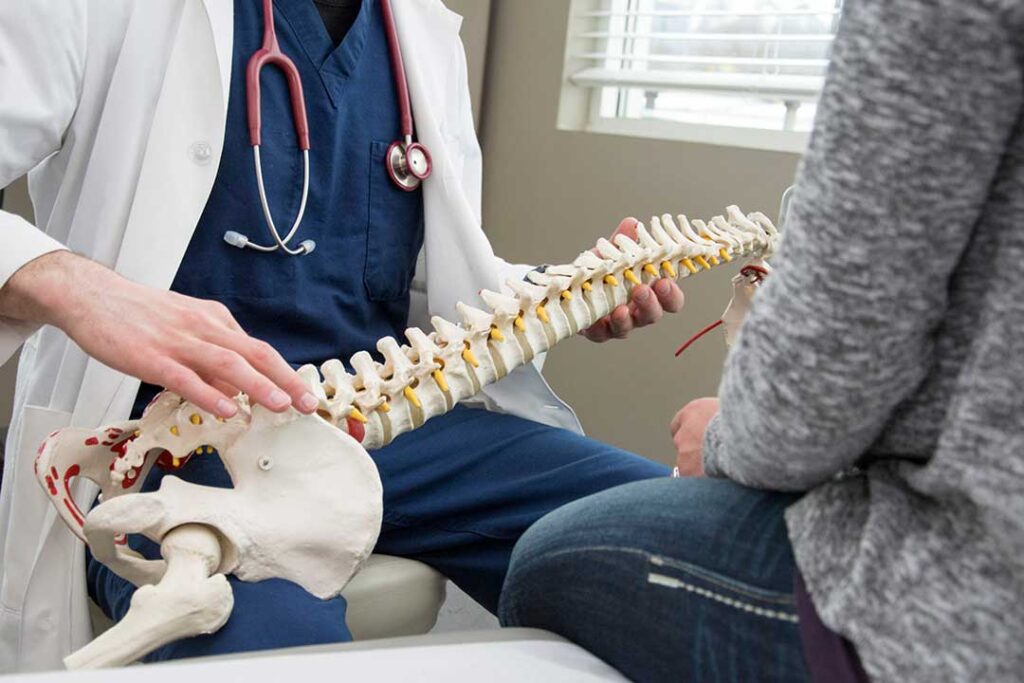
Lifting is part of everyday life in Ogden, NY, whether the task involves carrying groceries, moving a storage bin, clearing seasonal equipment, loading a vehicle, or handling household supplies. Many back injuries do not come from one unusually heavy object. They often develop when a person lifts while twisting, reaches too far, rushes, or repeats the same motion for a long period.
Safe lifting is less about having exceptional strength and more about positioning the body, controlling the load, and knowing when to ask for help. The following techniques can reduce unnecessary stress on the low back, hips, shoulders, and neck.
What is the safest way to lift an object?
The safest basic technique is to assess the load, stand close to it, bend through the hips and knees, keep the spine in a neutral position, and rise smoothly using the legs. The object should stay close to the body throughout the movement.
Before lifting, pause briefly and ask:
- Can the object be divided into smaller loads?
- Is the path clear?
- Can the object be carried with both hands?
- Will the load block vision?
- Is help needed because of its size, shape, or weight?
A load that feels manageable at the beginning may become difficult after several trips. Fatigue can reduce balance and make poor posture more likely, especially during outdoor chores, home projects, and seasonal cleanup.
How should the body be positioned before lifting?
Good positioning begins before the object leaves the ground. Stand with the feet about shoulder-width apart, with one foot slightly ahead of the other if that feels more stable. Keep the object close to the center of the body rather than reaching forward.
Next, hinge at the hips and bend the knees. This allows the hips and legs to share the work. Keep the chest open, shoulders relaxed, and lower back in a comfortable, natural position. The goal is not to force the back perfectly straight; it is to avoid rounding, arching, or twisting under load.
A stable starting position usually includes:
- Feet planted firmly on the floor or ground
- Knees aligned generally with the feet
- Abdomen gently braced
- Hands positioned securely before lifting
- The load centered between the feet when possible
If the object is on a low shelf, avoid bending only from the waist. Move closer, bend the knees, and use the hips to lower the body.
Why should the load stay close to the body?
Holding a load away from the body increases the leverage placed on the spine. Even a light object can feel much heavier when the arms are extended. Keeping the object close reduces the demand on the lower back and shoulders.
For example, carrying a box against the torso is generally less stressful than holding it at arm’s length. If the object is awkward, use both hands and keep the elbows near the sides. Avoid carrying a load on one hip for long periods, since that can create uneven strain through the back and pelvis.
When lifting from a vehicle, countertop, or storage area, move the feet and body closer instead of reaching across a wide space. Reaching and lifting at the same time is a common source of strain.
Is it safe to twist while lifting?
Twisting under load is one of the most avoidable lifting hazards. The spine is placed under greater stress when it must support weight while rotating, particularly if the movement is sudden.
To change direction, lift with the chest and hips facing the object, then turn by moving the feet. Small steps are safer than rotating through the waist. If the destination is to the side, place the object down first when practical, reposition the body, and then move it again.
This matters during tasks such as:
- Placing boxes on shelves
- Loading bags into a vehicle
- Moving furniture across a room
- Carrying containers up or down steps
- Shoveling or handling wet snow
The same principle applies to repetitive work. Frequently twisting in one direction can irritate the back even when each individual object is not heavy.
How can lifting be made safer during household and seasonal tasks?
Many lifting injuries happen during familiar chores because people rush or underestimate the load. Wet materials, uneven ground, cold temperatures, and slippery surfaces can make ordinary objects harder to control.

For outdoor tasks, wear footwear with reliable traction and check the path before carrying anything. Clear ice, loose tools, cords, and other obstacles. Avoid lifting while standing on an unstable surface or while trying to maintain balance.
For household projects:
- Use smaller containers instead of filling one large container.
- Slide or roll heavy items when possible rather than lifting them.
- Use a cart or hand truck only on a stable, clear route.
- Store commonly used items between knee and shoulder height.
- Place heavier objects on lower shelves, but not directly on the floor if frequent lifting is required.
- Take short breaks during repetitive work before muscles become exhausted.
Cold weather can make muscles feel stiff, while heat and dehydration may contribute to fatigue. A few minutes of comfortable movement before demanding work can help the body transition into the task, but stretching does not make an unsafe lift safe.
What lifting mistakes commonly cause back pain?
Several habits repeatedly increase the risk of discomfort or injury:
Rounding the lower back: Bending forward with straight legs places more demand on the back tissues. Bending through the hips and knees gives the legs a greater role.
Jerking the object upward: A sudden pull can overwhelm the muscles and make the load difficult to control. A steady lift is safer.
Holding the breath: Briefly bracing the abdomen can help, but straining while holding the breath for a prolonged period may increase pressure and dizziness. Breathe steadily and avoid forcing the lift.
Carrying too much in one trip: Saving a trip is not worth losing control of the load. Several lighter trips are usually easier on the spine.
Lifting after fatigue has set in: Form often deteriorates late in a project. Rest before the body begins compensating with awkward movements.
Assuming pain is normal: Mild muscle tiredness may occur, but sharp, spreading, or worsening pain should not be ignored.
What should someone do if pain starts during or after lifting?
Stop the activity if pain develops suddenly, especially if it causes weakness, numbness, loss of balance, or difficulty standing. Continuing to lift through significant pain can make it harder to identify the original problem and may increase irritation.
For mild soreness, reduce the activity that triggered it, change positions periodically, and avoid repeating the same lift until movement feels more comfortable. Gentle walking may be easier on the back than prolonged bed rest, but activity should remain within a tolerable range.
Prompt medical evaluation is appropriate for severe or persistent pain, pain after a fall, or symptoms that travel into an arm or leg. Urgent care is warranted for new loss of bladder or bowel control, numbness in the groin area, major leg weakness, fever with severe back pain, or unexplained weight loss accompanied by back symptoms.
How can lifting technique become a lasting habit?
The most useful approach is to slow down for the first few seconds of every lift. Check the route, move close to the object, set the feet, bend through the hips and knees, and turn with the feet rather than the spine.
Practice the sequence with a light object before using it during a demanding chore. Over time, safe lifting becomes less of a deliberate procedure and more of an automatic movement pattern. That habit can help protect the spine during routine tasks throughout the year, including heavier seasonal work around the home.
