
 See Our Latest Article on HelloNation
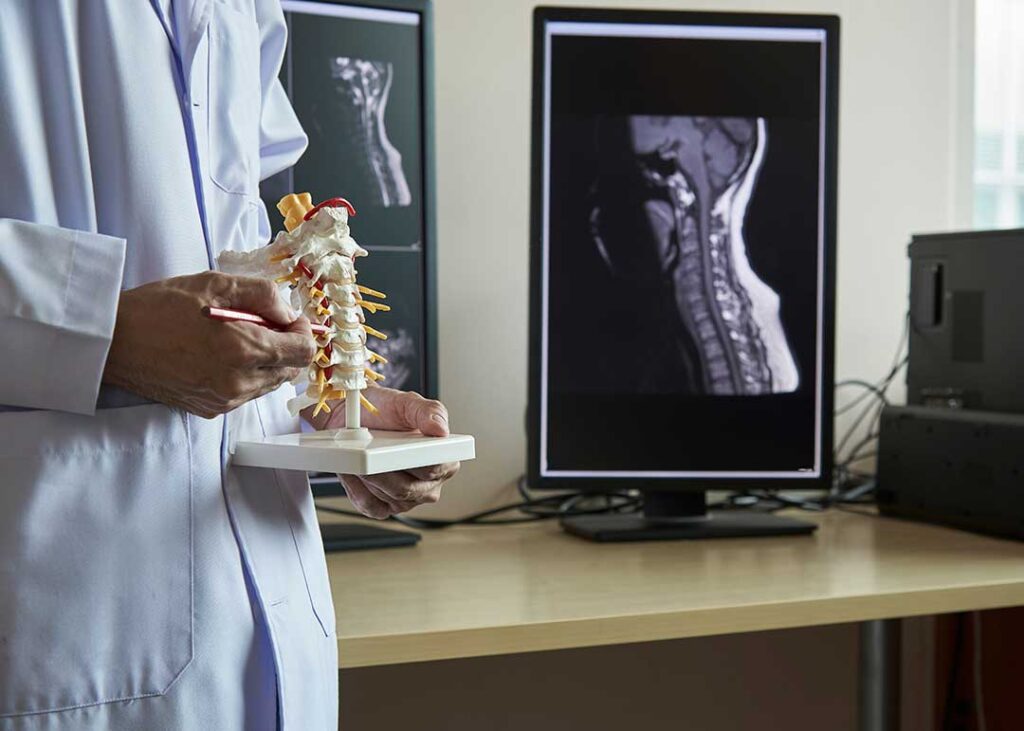
Can Digestive Issues Be Related to Spinal Health?
Some residents of Ogden, NY wonder if there's a possible connection between their digestion and spinal health. There’s ongoing interest, both in the local community and beyond, in the ways the nervous system interacts with different parts of the body—including the digestive tract. While digestive problems like bloating, constipation, or abdominal discomfort are most often addressed through dietary changes or medical care, some people look into alternative avenues, including chiropractic care, when standard approaches have not provided relief.
The logic behind this connection centers around how nerves exiting the spine are involved in controlling organs, including those affecting digestion. If these nerves are irritated, some believe that it might contribute to digestive disturbances.
What Does Chiropractic Care Actually Do?
Chiropractors use hands-on methods to adjust the spine, aiming to restore or improve movement in spinal joints and relieve nerve irritation. This practice is rooted in the idea that spinal misalignments—sometimes called subluxations—could potentially interfere with the body’s ability to function efficiently, including parts of the digestive system.
Importantly, adjustments given by chiropractors are intended to improve joint function and reduce musculoskeletal discomfort. Local residents often seek out care for things like back pain, headaches, or muscle tension, but some also consider it for non-musculoskeletal symptoms that don’t have a clear structural cause.
Is There Scientific Evidence Linking Chiropractic Care to Digestion?
Research in this area is limited. A few small studies and individual case reports have described improvements in digestive symptoms—such as reflux or constipation—after people received spinal adjustments. However, larger, well-controlled scientific trials supporting chiropractic as a primary treatment for digestive disorders are lacking.
Researchers highlight that the reasons for improvements noted in some cases may relate to the complex interactions between the nervous system, stress responses, and gut function. Some people in the community may feel better because manual therapy can promote relaxation, reduce pain, and improve their overall sense of well-being, all of which might have indirect effects on digestion.
Which Digestive Complaints Do People Commonly Ask About?
Among the Ogden population, common digestive complaints people discuss in relation to chiropractic care include:
- Occasional constipation or irregular bowel habits
- Mild bloating or abdominal cramping not related to a clear medical condition
- Heartburn or acid reflux symptoms without known serious cause
These symptoms are not uncommon in households with dietary changes, high stress, or sedentary routines—particularly during the winter months when activity levels drop. However, it’s essential to distinguish between mild, occasional digestive upsets and symptoms that signal a more serious underlying medical problem. Severe, persistent, or worsening digestive issues warrant a visit with a medical provider.
How Might Spinal Adjustments Influence Digestion?
Adjustments or manual therapies are thought to influence nervous system function, potentially reducing interference with signals going to and from digestive organs. The spine houses the spinal cord, from which nerves branch out to various body systems, including those controlling digestive movements and secretions.
Potential indirect ways spinal adjustments may support digestion include:
- Promoting muscle relaxation and reducing stress, which can alleviate some forms of digestive discomfort
- Improving overall mobility, which might help with movement and posture—factors that can influence digestion for some individuals
- Addressing nerve irritation that could theoretically affect digestive organ function

While these mechanisms are plausible and discussed in educational materials, they remain areas where scientific understanding is still emerging.
Are There Risks or Downsides to Consider?
Chiropractic care is generally considered safe for most adults when performed by licensed practitioners. However, for people with known digestive disorders—like Crohn’s disease, ulcerative colitis, or digestive symptoms linked to more serious health conditions—it’s important not to substitute spinal adjustments for routine medical care or prescribed medications.
Also, spinal adjustments may not be appropriate for everyone. Individuals with osteoporosis, certain types of arthritis, or recent injuries may require special consideration before any physical treatment is initiated. As always, anyone experiencing new or unexplained digestive symptoms should consult a healthcare provider to rule out medical causes before exploring alternative approaches.
What Approaches Are Common in the Ogden Community?
Residents in Ogden often look for practical ways to support digestive health, especially during colder months when indoor living and dietary changes are more common. Alongside conventional care, some seek adjunctive therapies—like massage, yoga, mindfulness, or chiropractic adjustments—as part of a holistic lifestyle.
Movement, hydration, and attention to posture while sitting—especially in local households with home offices or long commutes—can play a role in preventing minor digestive complaints. Gentle stretching and ergonomic workspace setups are easy steps many take on their own.
What Should Residents Expect in Terms of Results?
For most people, chiropractic care is unlikely to serve as a substitute for addressing the root causes of digestive problems, such as diet or medical conditions. However, some individuals experience relief from mild, stress-related digestive symptoms after incorporating spinal care alongside lifestyle changes.
Improvement is generally modest if seen, and some people experience no changes in digestive health from adjustments. Outcomes tend to be best when spinal care is viewed as one part of a broader approach that includes regular movement, proper nutrition, and attention to overall well-being.
